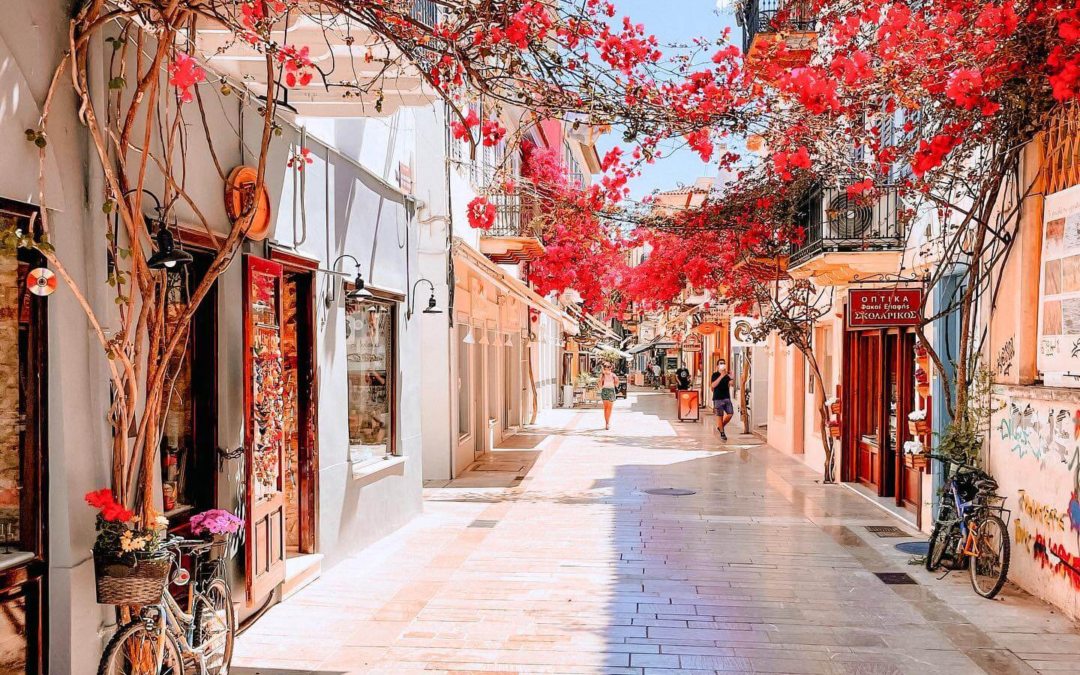
Nafplio is a beautiful town in Greece that was the first capital of the modern Greek state. It is named after Nafplios, son of Poseidon. It is home to Palamidis, their local hero of the Trojan War and supposedly the inventor of weights and measures, lighthouses, the first Greek alphabet, and the father of the Sophists. Although the capital moved to Athens, the city of Nafplio attracts visitors daily because of its rich history and beauty. It is like a living museum where you can admire the Venetian fortress of Palamidi, the Acronafplia with its stunning vista of the Argolic Gulf, and the fortified islet of Bourtzi. It’s as lively as any city in Greece, making it a popular destination for Greek and foreign tourists. (more…)
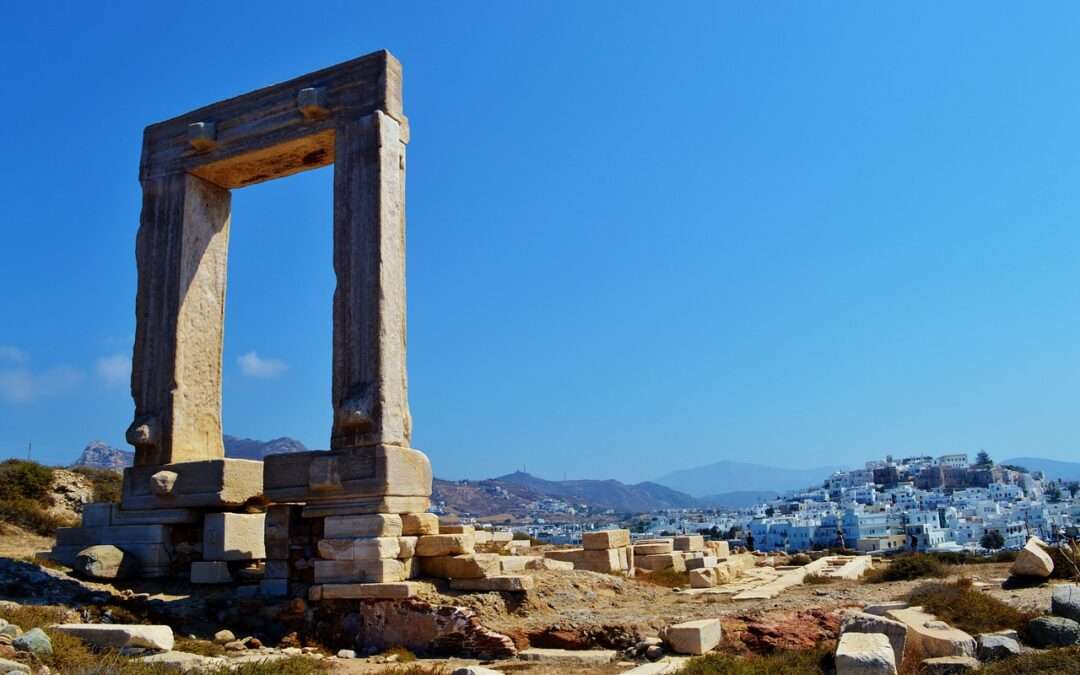
Hey there! Are you planning a vacation in Greece? Well, let me tell you, Greek holidays are all about having fun in the sun, enjoying the sea, and savoring the delicious food! The Mediterranean flavors in Greek cuisine are sure to make you fall in love with Greece, especially with the food. And if you’re looking for the best food destination in Greece, Naxos is the place to be! The island of Naxos has a thriving agricultural economy and a rich history that dates back to prehistoric times. The fertile Naxian land provides an abundance of fresh and tasty vegetables, meats, and herbs, all of which are used to prepare mouth-watering dishes. When you visit Naxos, you’ll have the opportunity to taste the local cuisine, which is prepared by the family matriarchs and patriarchs who have mastered the traditional Naxian cooking techniques passed down through generations. You’re sure to enjoy every bite of the delicious food!
Now, when it comes to selecting a place to eat, it can be a bit challenging, especially if it’s your first time on the island. But don’t worry, we’re here to help you! We want you to have the best dining experience possible, so we’ve put together a list of top-quality restaurants and taverns on Naxos. And if you want to try something new, we recommend sampling the local products to find your favorite dishes and making cooking lessons in Naxos.
They know the best places to eat, and they’re happy to help! You can also take a peek at other people’s dishes while they’re eating to see what looks good. And of course, don’t forget to try the local meat, fresh fish, cheeses, vegetables, and wine. They’re all amazing! Naxians are passionate about their food, and they know how important it is for the island’s developing tourist industry. That’s why Naxos is known as one of the best gastronomical destinations in Greece. So, come to Naxos and taste it for yourself. We promise you won’t be disappointed!
The sound quality in ancient times was likely much better than it is today
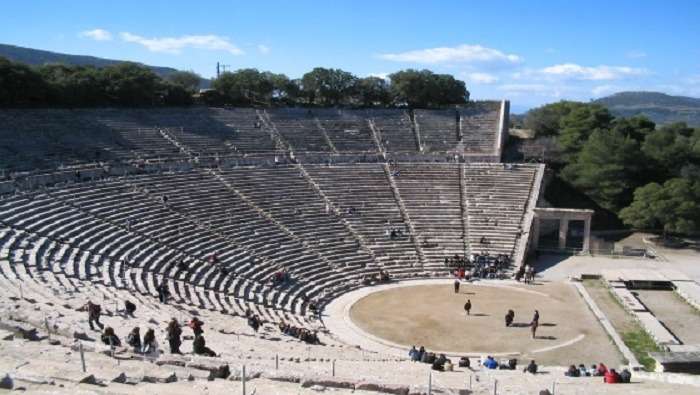
The acoustics of theaters in Ancient Greece are very important. It is often said that the acoustics of ancient Greek theaters were so sophisticated that spectators in the back row could hear the actors with perfect clarity, long before microphones came into the picture. In modern times, tour guides will often drop a pin, strike a match, or tear a piece of paper on the stages of these ancient auditoriums to demonstrate that soft sounds can be heard by visitors high up in the seats. But as Nicola Davis reports for the Guardian, a recent study suggests that Greek theaters’ acoustics are not quite so exemplary—at least not anymore. (more…)
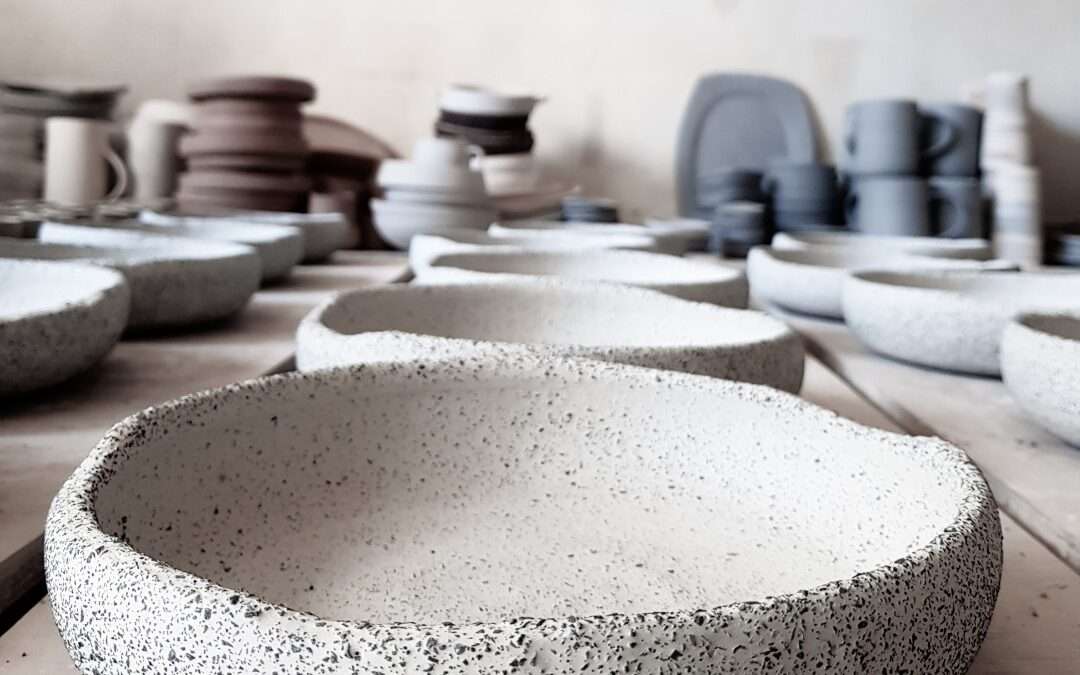
Ceramic art (or pottery) marks ages and millennia.
Ceramic art is lost in prehistoric times, flourishing during Greek antiquity in an inspired exuberance of shapes, colors, and forms. Storage jars, amphorae, kraters, jugs, and lekythos reflect the daily habits and traditions of the society. Pottery represents the numerous objects of the same category found in any archaeological excavation.
In the modern era, new morphological and technical characteristics have been added to ceramic art in the manufacture of ceramics. Clay jars helped to store the crop. Pitchers and flasks were used for liquids and pots and cooking dishes as tableware. (more…)
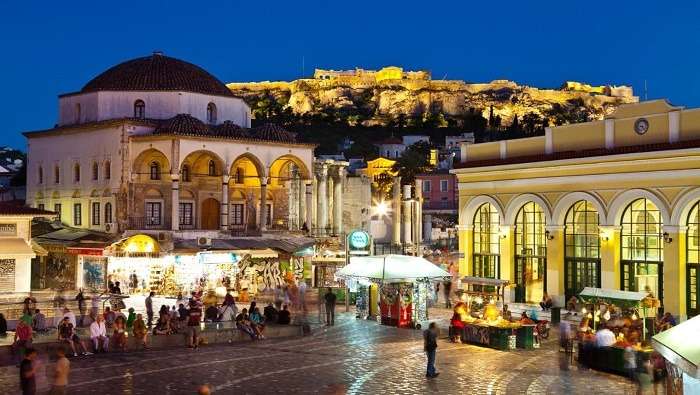
Whatever type of shopping you prefer, Athens won’t let you down.
The city’s best shopping areas are there for you to explore… Love to go shoe shopping? Love eco-friendly products? Want to find everything you need in a single store? Do you seek items of luxury and high aesthetics when you go shopping? Do you look for ‘treasures’ from old times, works of art in out-of-the-way places, or original materials for your creations?
At the Gates of Spring-Anthesteria
Winter to Spring: coming into being from the sacred silence of grief
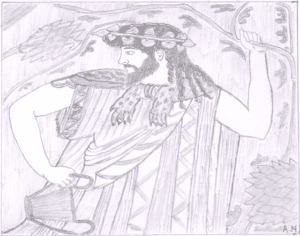
Anthesteria – Winter with its seemingly lifeless, unadorned nature, with its black and white background of gloomy skies or snowy motionless landscapes, bordering on underworld connotations, always loomed large to the minds of ancient cultures. Though some cultures were more preoccupied with death, the ancient Greeks were more preoccupied with life. Their inquiring minds, to cast the souls of the dead out, thought of winter as the start of spring, as the time of rebirthing, of rejoicing, of breaking the spell of death, of purifying it with life through communal memorial rites and rituals of offerings, of drinking, of purifications and libations.