

Culinary Luxury in Crete
The Soul of Crete: A Masterclass in Culinary Luxury and Bespoke Travel Design
Experience the ultimate Culinary Luxury in Crete, where ancient Minoan traditions and modern high-end travel converge. Crete is far more than an island; it is a gastronomic continent, a rugged and beautiful land. For the truly discerning traveler, discovering the ‘real’ Crete requires more than a standard itinerary—it requires a local architect of experiences who understands the delicate balance between comfort and authenticity. At Porto Planet, we have redefined the travel landscape, moving beyond conventional tourism to offer the definitive experience of Culinary Luxury in Crete.
As a specialized DMC in Greece, we don’t just book hotels or arrange transport; we weave complex cultural narratives. Our signature 10-day Culinary and Cultural Tour serves as the blueprint for our philosophy: travel should be a seamless, elevated journey that touches all five senses while maintaining the highest standards of elite service.

The Philosophy of Culinary Luxury in Crete: More Than Just a Meal
What truly defines Culinary Luxury in Crete? In an era of mass-produced “luxury,” we believe the ultimate extravagance is access. It is the luxury of time, the purity of a single ingredient, and the exclusivity of a private encounter. While most visitors are guided toward high-end but predictable restaurants, Porto Planet guests enter the private estates of the Apokoronas region or the hidden, wind-swept mountain villages of Anogeia and Spili.
We believe that luxury is tasting an extra virgin olive oil that has never seen a supermarket shelf, pressed from fruit harvested from trees that have stood as silent witnesses to history for over five centuries. As a dedicated Culinary Agency in Crete, we prioritize the “Slow Food” philosophy, ensuring that every meal tells the story of the soil, the climate, and the hands that prepared it. This traditional way of life is the foundation of the Mediterranean Diet, which has been officially recognized by UNESCO as an Intangible Cultural Heritage of Humanity.
Chania’s Venetian Elegance and the Secrets of the White Mountains
Our journeys typically begin in the West. Chania is a stunning mosaic of Venetian, Ottoman, and Greek influences, famous for its picturesque harbor. However, for the Porto Planet traveler, the true magic lies just beyond the city limits in the rural hinterland.
We take our guests deep into the foothills of the White Mountains (Lefka Ori), where the air is scented with wild thyme and sage. In these rugged landscapes, we facilitate exclusive, private encounters with artisan shepherds who have practiced their craft for generations. This is where the “Bespoke” element of our agency truly shines. These locations aren’t on Google Maps. You will participate in a private cheese-making session in a traditional mitato (stone shepherd’s hut), learning the ancient secrets of Graviera and Mizithra. This is followed by a long, rustic lunch under the canopy of ancient plane trees, featuring the legendary Antikristo lamb—cooked over an open fire for hours. This level of immersion is exactly why we are the leading Culinary Agency in Crete.
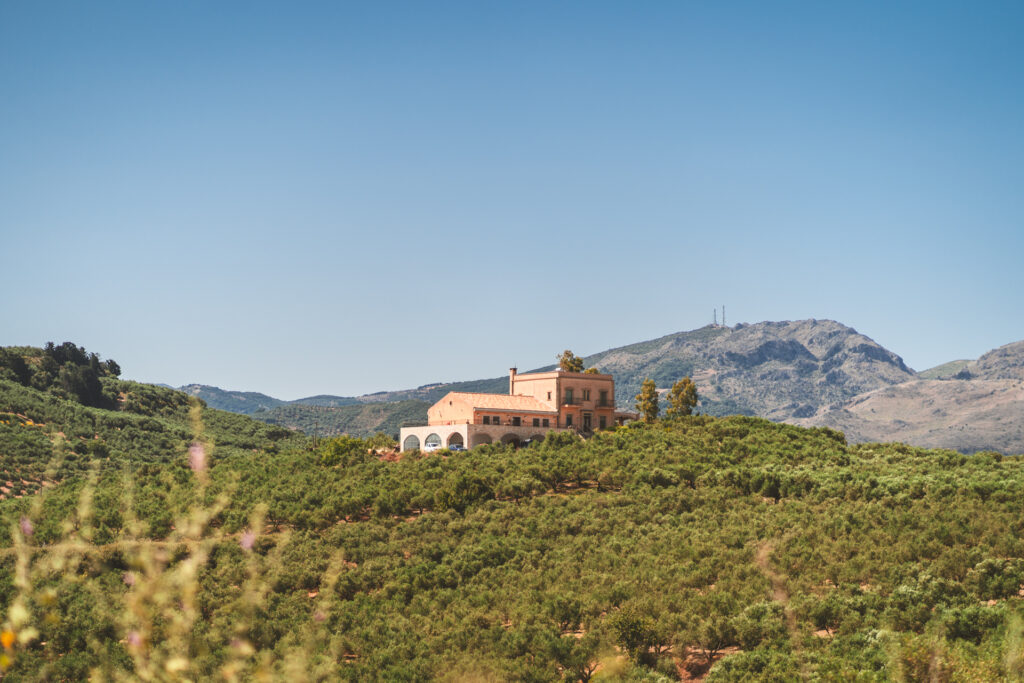
The Liquid Gold: A Journey Through Ancient Vineyards
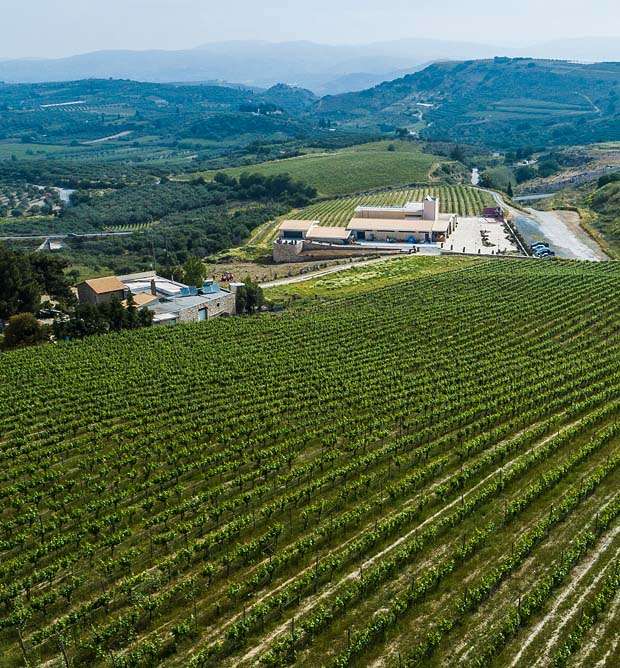
Crete’s viticultural history spans an incredible 4,000 years, making it one of the oldest wine-producing regions in the world. At Porto Planet, we treat the Cretan vine as a sacred cultural vessel. Central Crete, particularly the fertile valleys of Archanes and Peza, is the stage for our Bespoke Wine Experiences.
Designed for the serious connoisseur, we bypass the industrial-scale wineries. Instead, we open the doors to boutique, family-run estates that are reviving indigenous Cretan varieties that were once nearly extinct:
-
Vidiano: Often called the “Diva” of Cretan grapes, it offers a complex, creamy texture with sophisticated aromas of apricot and jasmine.
-
Liatiko: A noble red variety that perfectly captures the sun-drenched, volcanic terroir of the island.
-
Kotsifali: Bold, spicy, and full of character—the ultimate companion to a rich Cretan meat dish.
Imagine a private tasting led by one of Greece’s top sommeliers in a 14th-century cellar, followed by a degustation menu prepared by a private chef using only hand-picked herbs foraged from the surrounding hills and rare volcanic salts. This meticulous attention to detail is why international partners trust us as their primary DMC in Greece. Explore our full range of signature Culinary and Wine Tours to discover the diverse flavors of our island
Cultural Immersion: From the Labyrinth of Knossos to the Blue of Elounda
In Crete, food and culture are two sides of the same coin. To truly taste the wine, you must understand the history of the Minoans who first cultivated it. Our curated tours include private, after-hours access to the Palace of Knossos. Away from the daytime crowds, a specialized archaeologist brings the myths of King Minos, Ariadne, and the Labyrinth to life just for you.
From the echoes of history, we transition to the modern coastal elegance of Elounda and Agios Nikolaos. Here, Culinary Luxury in Crete takes a maritime turn. We arrange private, high-speed luxury Rib-boats to whisk you away to the historic island of Spinalonga for a private tour. This is followed by a swim in the crystalline, turquoise waters of Kolokitha Bay. While you swim, your private onboard chef prepares a seafood feast: fresh sea urchins, grilled octopus, and chilled Assyrtiko wine, served on a white-clothed table as the sun dips below the horizon of Mirabello Bay.
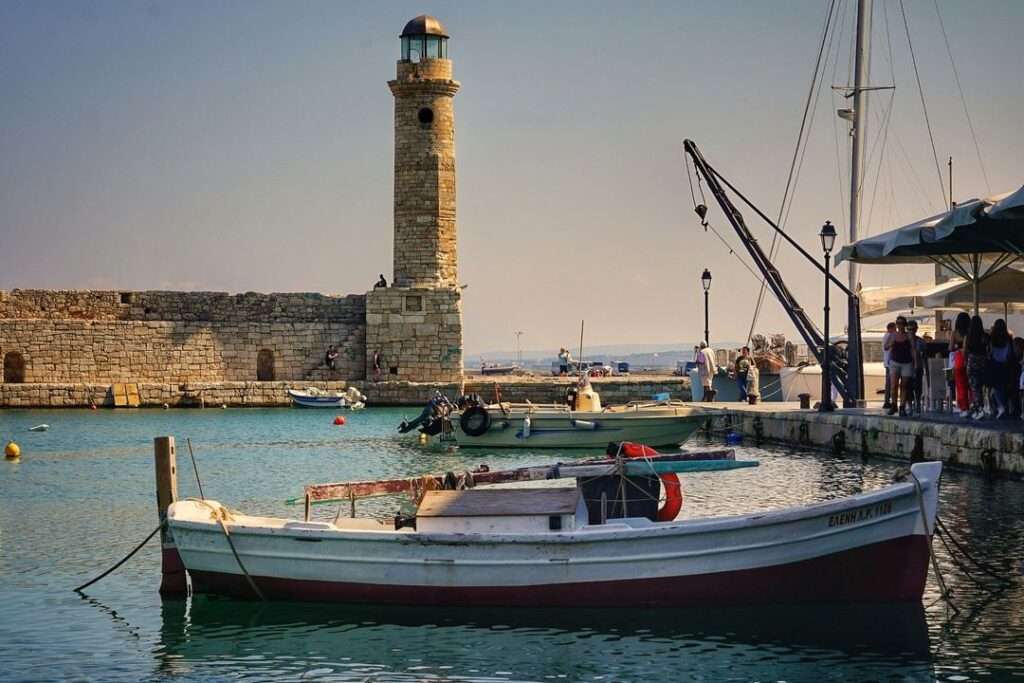
The Rethymno Influence: The Renaissance of Flavor
No exploration of Crete is complete without visiting Rethymno, the island’s intellectual and culinary heart. Here, the Renaissance architecture provides a backdrop for some of the most innovative gastronomy in the Mediterranean. As a Bespoke Travel Designer, we organize private cooking classes in restored Venetian mansions, where you learn to hand-roll skioufichta (traditional pasta) and prepare the perfect kalitsounia (herb and cheese pies). We focus on the organic farms of the Amari Valley, where the biodiversity of the Cretan flora creates honey and herbs that are unparalleled in potency and flavor.
Why Porto Planet Defines Culinary Luxury in Crete for Global Partners
In an era of automated travel bookings and “cookie-cutter” packages, Porto Planet remains a boutique powerhouse that values human connection. Our dual role as a high-end agency and a boots-on-the-ground DMC in Greece gives us a unique advantage.
-
Elite Logistics & Transport: We manage every logistical detail with surgical precision. Whether it is a helicopter transfer from Heraklion to Santorini, a private jet arrangement, or a fleet of luxury SUVs to navigate the narrow mountain passes of Sfakia, we ensure the journey is as comfortable as the destination.
-
Hyper-Personalized Curation: We understand that luxury is personal. No two Porto Planet itineraries are identical. We listen to the “quiet” needs of our clients—whether they seek spiritual solitude in a Byzantine monastery or a vibrant, celebratory gastronomic feast for twenty.
-
The Power of Local Networking: We live here. We know the tavern owners who refuse to use social media but serve the best food on the island. We know the monks who produce limited-edition honey. We provide our guests with the “keys to the kingdom.”
Quick Crete Travel Guide: Frequently Asked Questions
-
What is Culinary Luxury in Crete? It is more than just fine dining; it is about exclusive access to private estates, authentic farm-to-table experiences in the White Mountains, and bespoke tours led by local experts.
-
Does Porto Planet offer bespoke wine tours in Crete? Yes, we specialize in private, curated wine experiences that focus on indigenous Cretan varieties like Vidiano, Liatiko, and Kotsifali, often held in historic or boutique wineries.
-
Can Porto Planet arrange luxury transport in Greece? As a premier DMC, we manage all logistics, from luxury SUV fleets for mountain explorations to private helicopter and jet transfers across the Greek islands.
Conclusion: Crafting Your Mediterranean Legacy
Investing in a journey with Porto Planet is an investment in a legacy of memories. Crete is a land of myths, and we believe our guests should leave with a story of their own to tell. Whether you are following our 10-day Culinary and Cultural Tour or requesting a completely custom-built escape, we ensure that you don’t just “see” Crete—you taste its history, breathe its mountain air, and fall in love with its untamed soul. For those with a tighter schedule, we also offer a highly curated 7-day Unforgettable Culinary & Cultural Tour in Crete, perfect for a week of pure Mediterranean bliss.”
Experience the pinnacle of Culinary Luxury in Crete. Let us design your next great story. Ready to experience the authentic soul of Crete? Contact us today to start designing your bespoke journey.
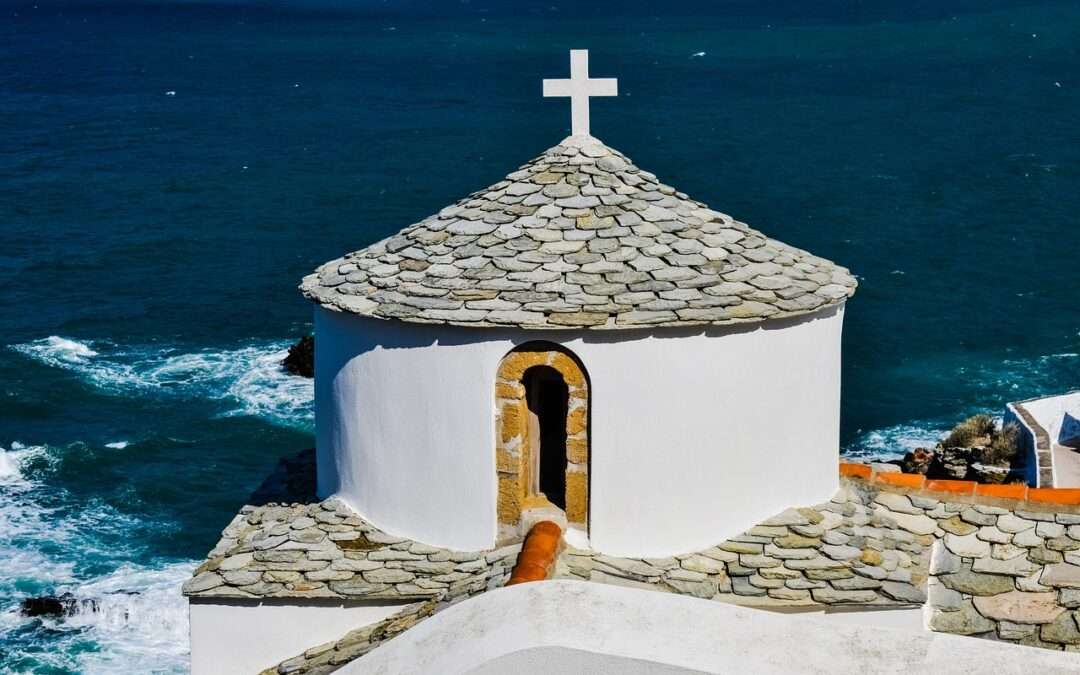
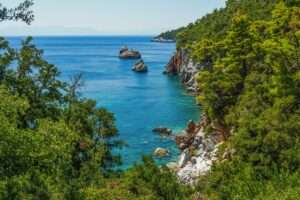
 Have you ever watched Mamma Mia! and dreamed of dancing on the same sun-drenched docks as Donna and the Dynamos? You aren’t alone. Every year, thousands of fans from the USA, UK, and Australia travel to Greece to find that “Abba magic.”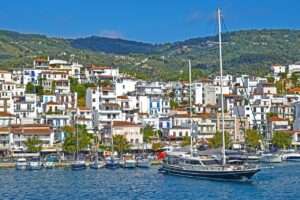

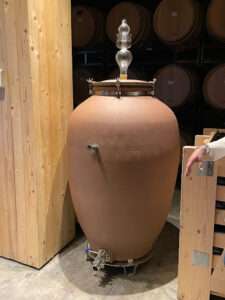
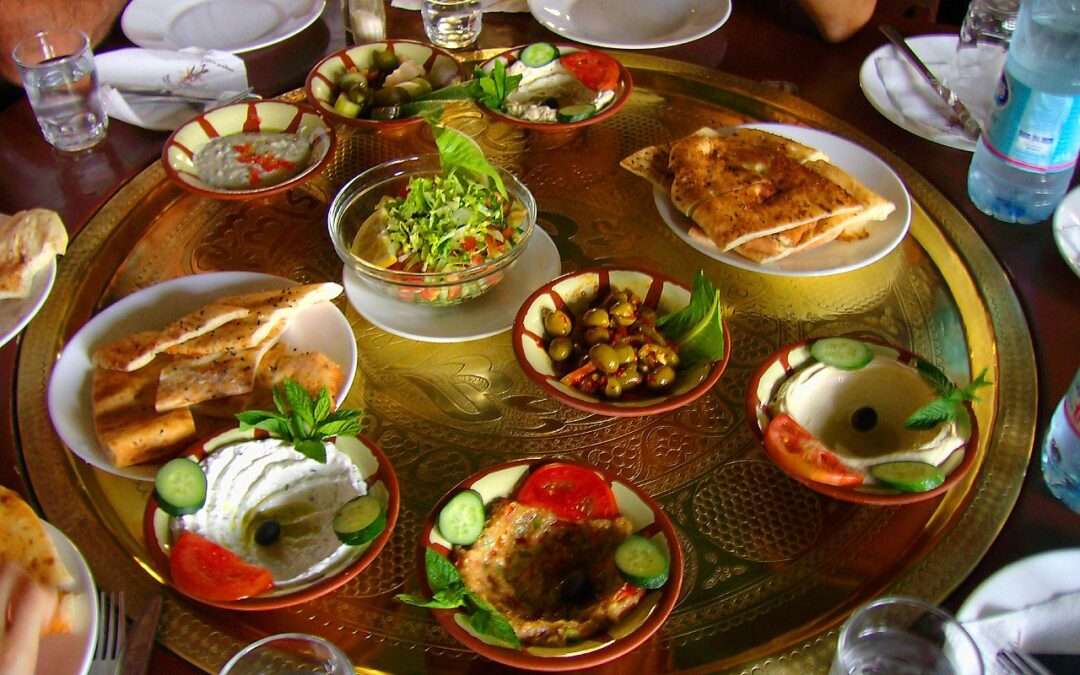
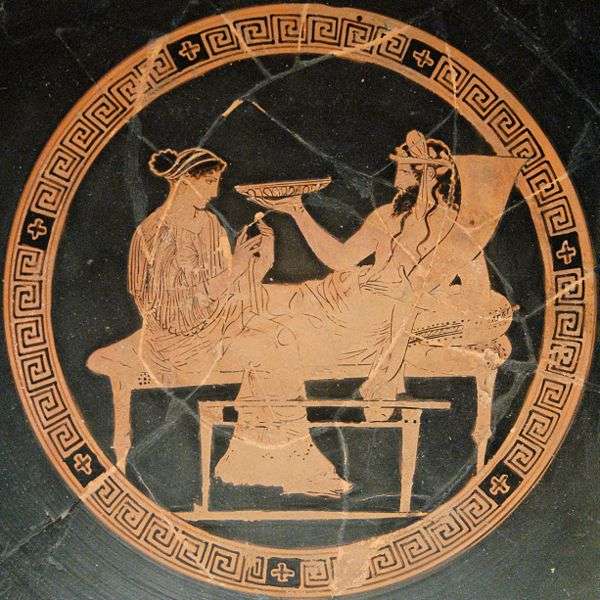
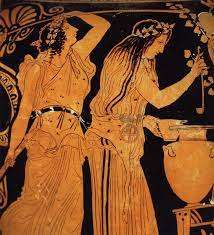 Wine in Ancient Greece was an integral part of daily life. It was consumed during meals, religious ceremonies, and social gatherings. The Greeks also believed that wine had